The Impact of Climate Change on Aging Populations in the US and Mexico: A Research Workshop

Michal Engelman, PhD
University of Wisconsin-Madison, Center for Demography of Health and Aging
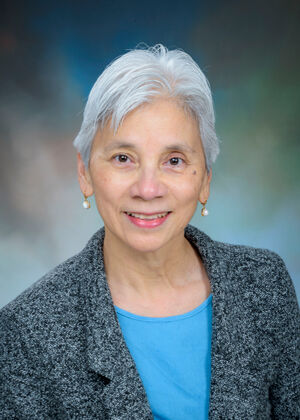
Rebecca Wong, PhD
University of Texas Medical Branch, UTMB Pepper Center
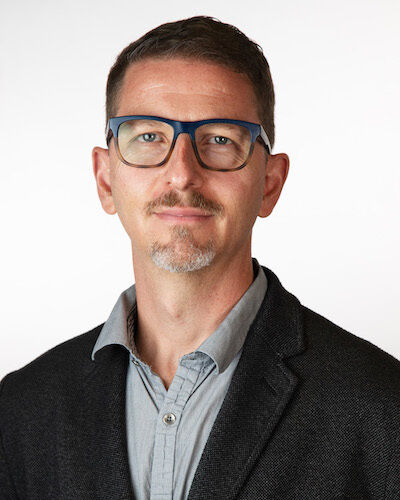
Fernando Riosmena, PhD
University of Texas San Antonio, Texas Resource Center for Minority Aging Research

Kyriakos Markides, PhD
University of Texas Medical Branch, Texas Resource Center for Minority Aging Research
Project Description:
With support from RCCN, researchers from three NIA-funded research centers organized a research workshop on climate change, aging, and health on May 13-14, 2024, in Madison, WI. The workshop allowed established and emerging scholars working on climate and aging to share cutting-edge research on the effects of climate conditions on physical, mental, and cognitive health among older adults in the U.S. and Mexico—two linked, aging populations. It also identified major gaps in research in climate and aging and built a foundation for cross-institutional collaborations to begin addressing these gaps. Finally, the workshop helped support the scholarship of early-stage investigators advancing NIA research on the effects of climate change on older adults by helping them workshop proposal ideas and receive mentorship from senior scholars.
Potential Impact:
A primary structural barrier to the development of rigorous research on the health effects of climate change is the difficulty of reconciling the temporal and spatial scales that social and health scientists use versus those deployed by environmental scientists. As a result, environmental and social science often proceed independently: this trend is highly concerning for our ability to generate the evidence needed to support older people in the coming decades. The workshop leveraged the expertise of the Nelson Institute for Environmental Studies at UW-Madison, which includes some of the leading environmental climate scientists in the U.S. Panelists discussed mechanisms for supporting the integration of cutting edge environmental modeling with the micro-level approach to the study of health and aging used by social scientists.
Next Steps:
If the new projects presented at the conference (including research presentations and proposal flash talks) are successful, they will represent an important new expansion of research on the consequences of climate change for older populations. We plan to follow up with participants to collect information about both publications and NIA proposals to study climate change and multiple dimensions of health at older ages. Drawing on findings and discussion from the workshop, a subset of the participants are working to write an agenda-setting paper calling for more attention on aging and life course concerns within climate change research.
The importance/value of RCCN funding for this collaborative research:
Without RCCN funding, we would not have been able to hold this workshop, and enable many emerging scholars from across the country to attend and engage in research and networking. RCCN support allowed our three NIA centers to come together around an important research issue relatively quickly, and build a foundation for ongoing research collaboration. Several participants in the session expressed enthusiasm about the workshop’s impact. One Assistant Professor wrote: “Thanks also for the wonderful climate workshop – it really has motivated me to do some concrete planning for grant proposals related to exposure to natural hazards over the life course and household finances. I had previously been thinking of this as a one-off project, but the grant workshop convinced me that this could be the start of a good research area for me.”